Simple
Just a handheld recorder
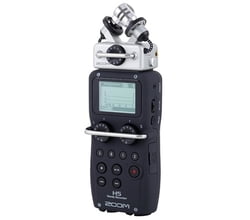
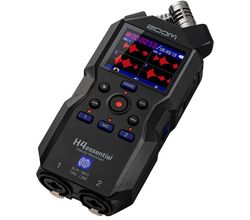
Zoom H4essential on a small stand about a metre from the piano. Press record — 32-bit float means you don't have to set levels.
Buying guide · record your piano
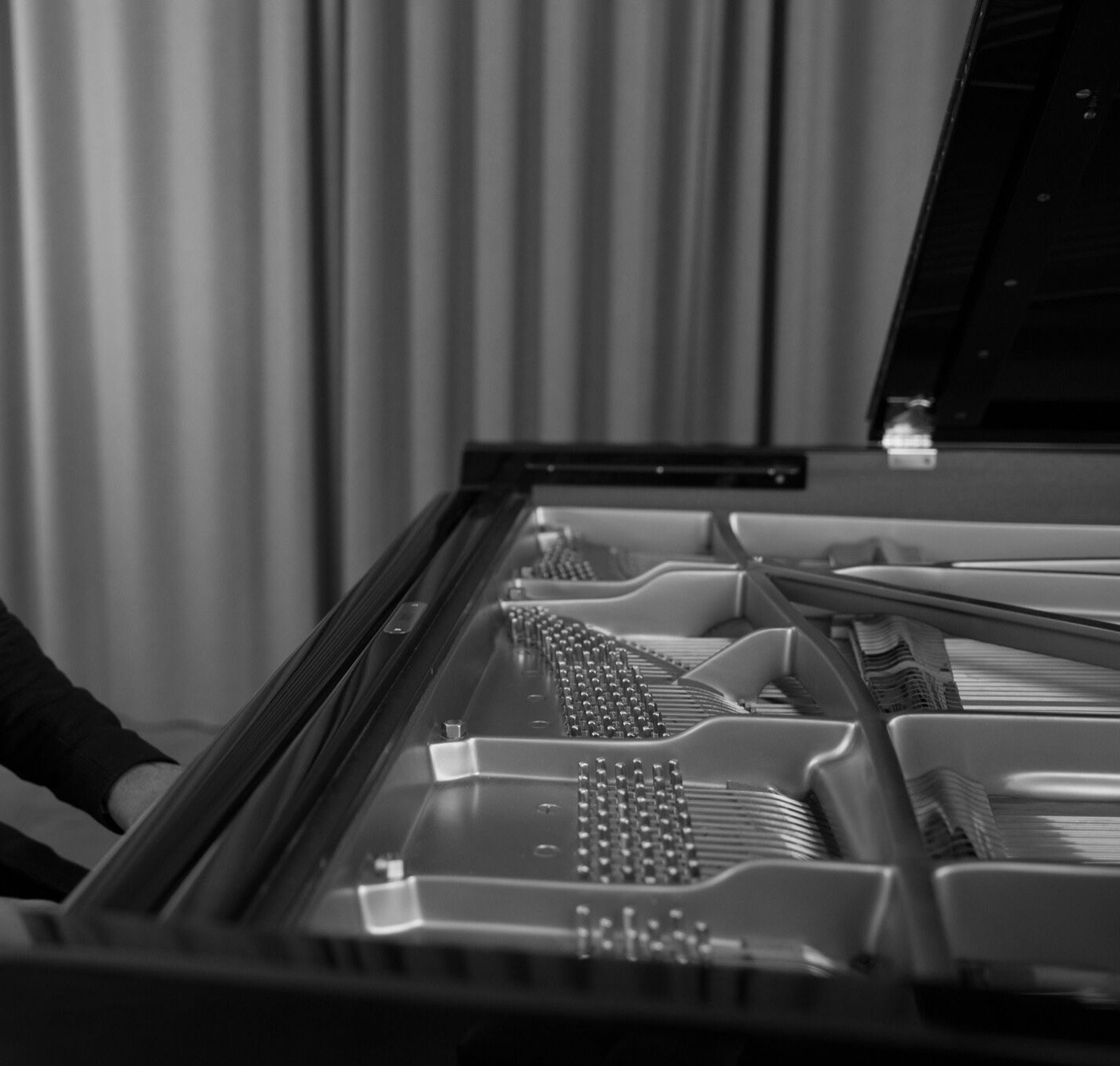
A phone captures the notes but not the sound. With the right gear you can hear your own playing, send it to your teacher or share it — without it sounding like a voicemail.
ZOZIZA has not tested every model. Specifications are the retailer’s or manufacturer’s.
Simple
Zoom H4essential on a small stand about a metre from the piano. Press record — 32-bit float means you don't have to set levels.
Stereo
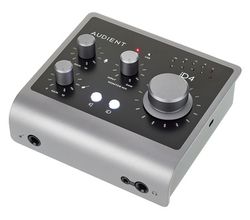
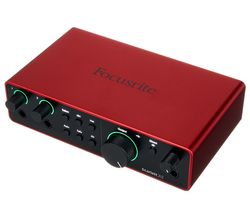
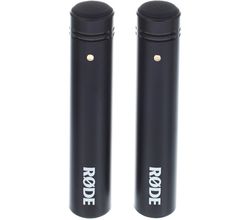
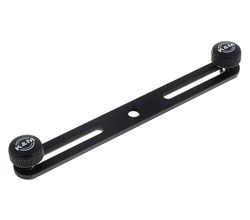
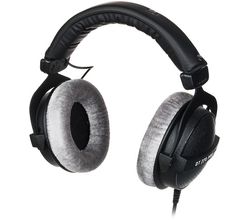
Scarlett 2i2 + Rode M5 pair + stereo bar + DT-770 Pro. You also need a mic stand and two XLR cables.
The classic
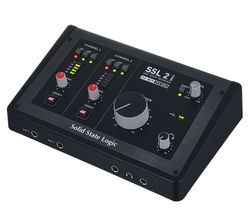
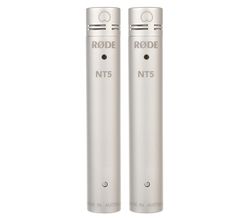
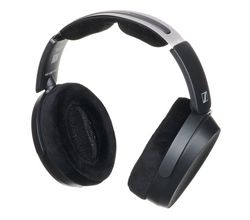
SSL 2 MKII + Rode NT5 pair + stereo bar + HD-490 PRO. Plus a stand and cables.
Start with the pair about a metre from the piano at chest height. Move closer for clarity, further away for more room.
Listen to a test take before you play the whole piece. That's where you hear too much bass or too little room.
Then you need no microphone: a cable from the piano's output to the interface, or USB straight to the computer.
All products below are sold by Thomann, which ships internationally. The link opens Thomann's shop for your country, where you see the current price in your currency.
The simplest route: put the recorder on a stand near the piano and press record. No computer, no cables.
Specifications according to the retailer.
Suits: For students and teachers who want to record a lesson or a piece without switching on a computer.
Specifications according to the retailer.
Suits: Same idea as the H4essential, with a swappable mic capsule.
The interface connects your microphones to a computer. To record a piano in stereo you need two microphone inputs.
Specifications according to the retailer.
Suits: For most people: two good inputs, and Auto Gain makes it hard to record too loud.
Specifications according to the retailer.
Suits: For a digital piano or a single mic. It has only one mic input — not enough for a stereo pair.
Specifications according to the retailer.
Suits: For players who want a little more headroom and a proper level meter.
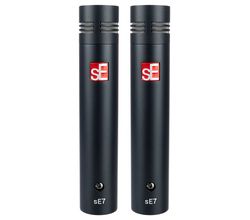
An acoustic piano is a large instrument and sounds best recorded in stereo. A matched pair of small-diaphragm condensers is the classic choice.
Specifications according to the retailer.
Suits: The most affordable way to record an acoustic piano in stereo.
Specifications according to the retailer.
Suits: A step up, with a pad for loud playing close to the strings.
Specifications according to the retailer.
Suits: The pair many piano teachers and small studios use. A safe choice that lasts for years.
Specifications according to the retailer.
Suits: Needed if you want both microphones on one stand.
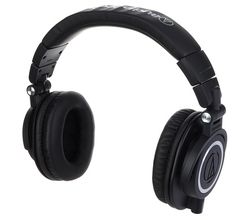
Closed-back headphones for recording and practising in a flat. Open-back models sound more natural but let sound out. Wireless? Standard Bluetooth adds a delay between key and sound that pianists can feel — at the piano, a cable is still best.
Specifications according to the retailer.
Suits: For recording and practising in a flat. Lets almost no sound out.
Specifications according to the retailer.
Suits: Same purpose as the DT-770, but folds up to travel.
Specifications according to the retailer.
Suits: For critical listening to your own recordings. Open-back, so it leaks sound.
Specifications according to the retailer.
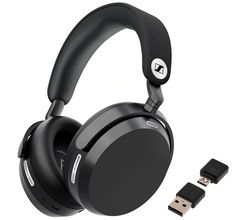
Suits: For one pair for both the piano and everyday life. At the piano: use the cable — then there is no delay. Wireless with the BTD 700 for listening back on a computer or phone and practising with apps.
For listening back to your recording. Sold per unit — you need two.
Specifications according to the retailer.
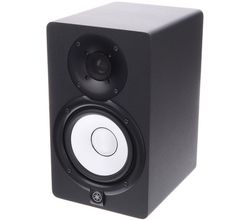
Suits: A widely used choice for a small room.
Specifications according to the retailer.
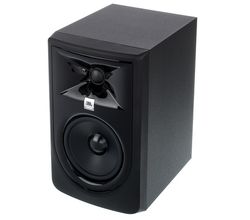
Suits: For rooms where the speakers must stand close to a wall.
To remember an idea, yes. But a phone microphone compresses the sound, so soft notes vanish and loud ones flatten. A handheld recorder is the smallest step up.
A piano is wide: the bass strings are on one side, the treble on the other. Two microphones give that width back when you listen.
At the piano we recommend a cable: standard Bluetooth adds a small delay between key and sound that you notice in fast passages, and many digital pianos have no Bluetooth headphone output. Wireless headphones with a low-latency dongle (e.g. Sennheiser Momentum 5 with the BTD 700, approx. 30 ms according to the manufacturer) are great for listening back to recordings and practising with apps on a computer or tablet — and they come with a cable for the piano.
Thomann offers a money-back period. Read the retailer's terms before you buy — they apply, not ZOZIZA's.